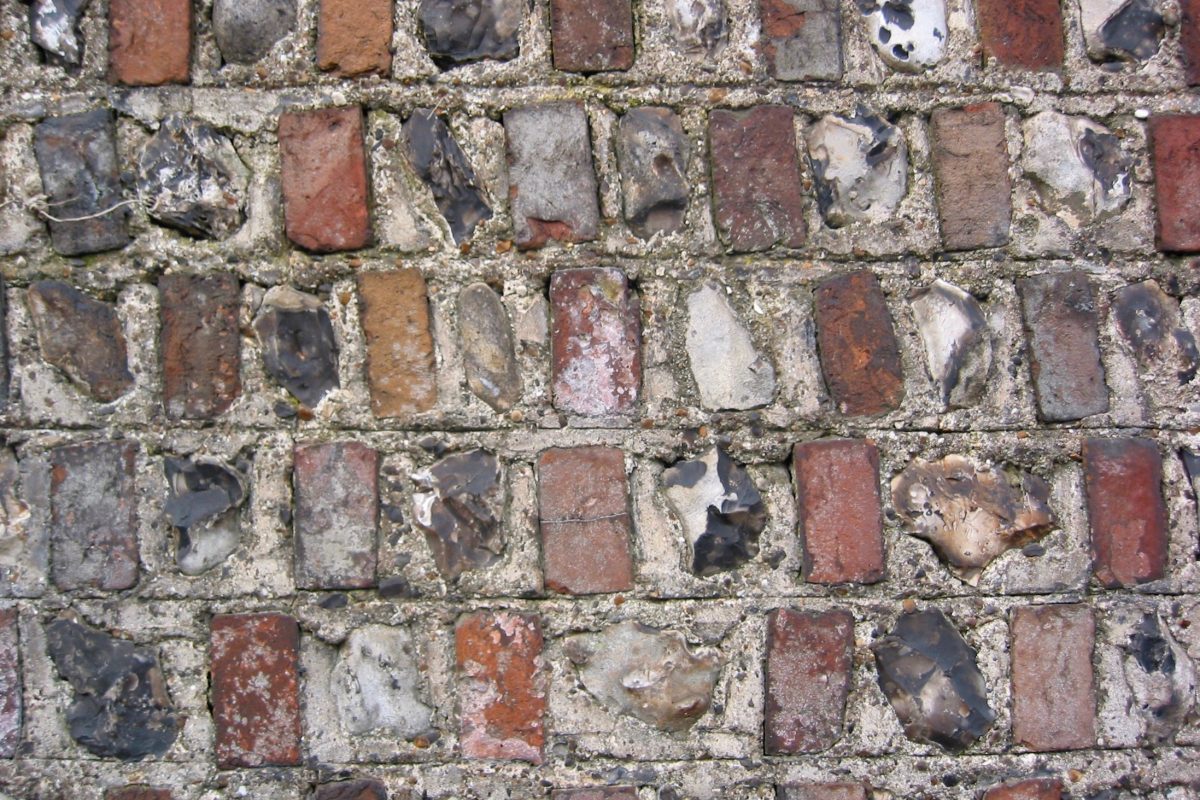
What
is flint?
Flint
is a mixture of crystalline silica (quartz) and hydrated silica
(opal). Flint can vary in all shapes, sizes and colours. There
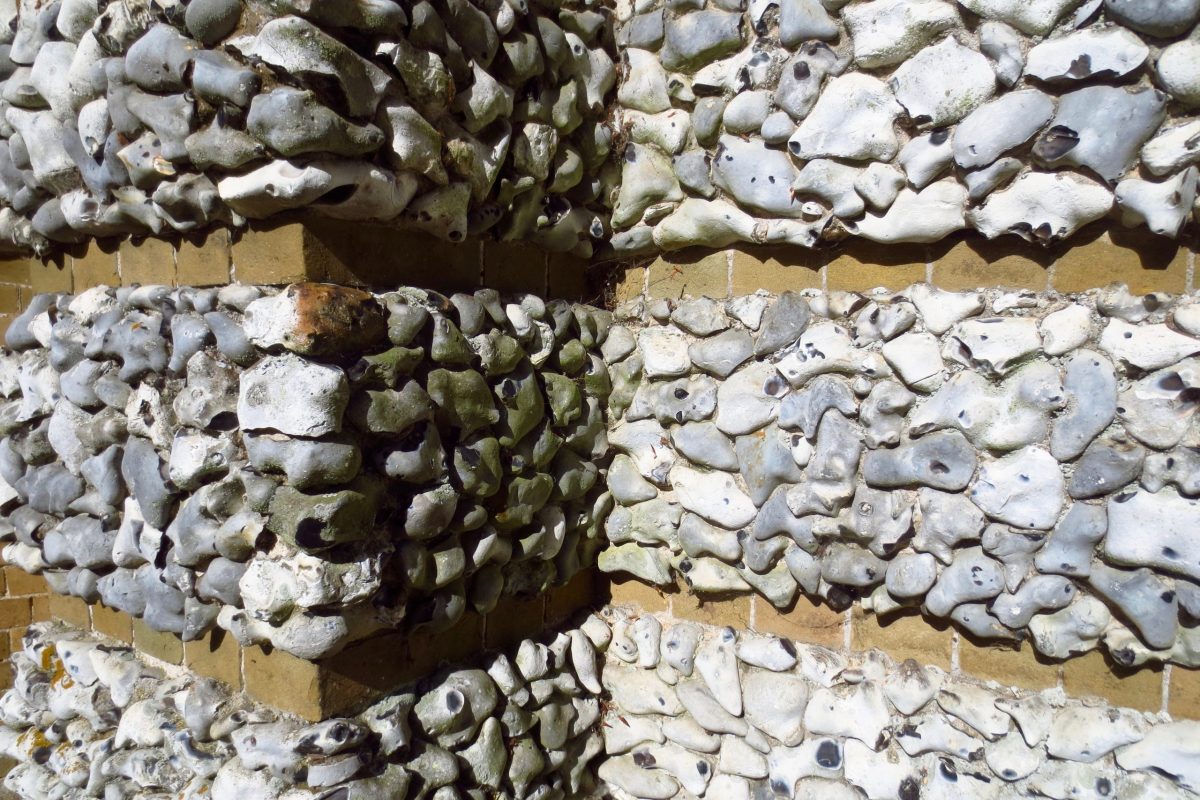
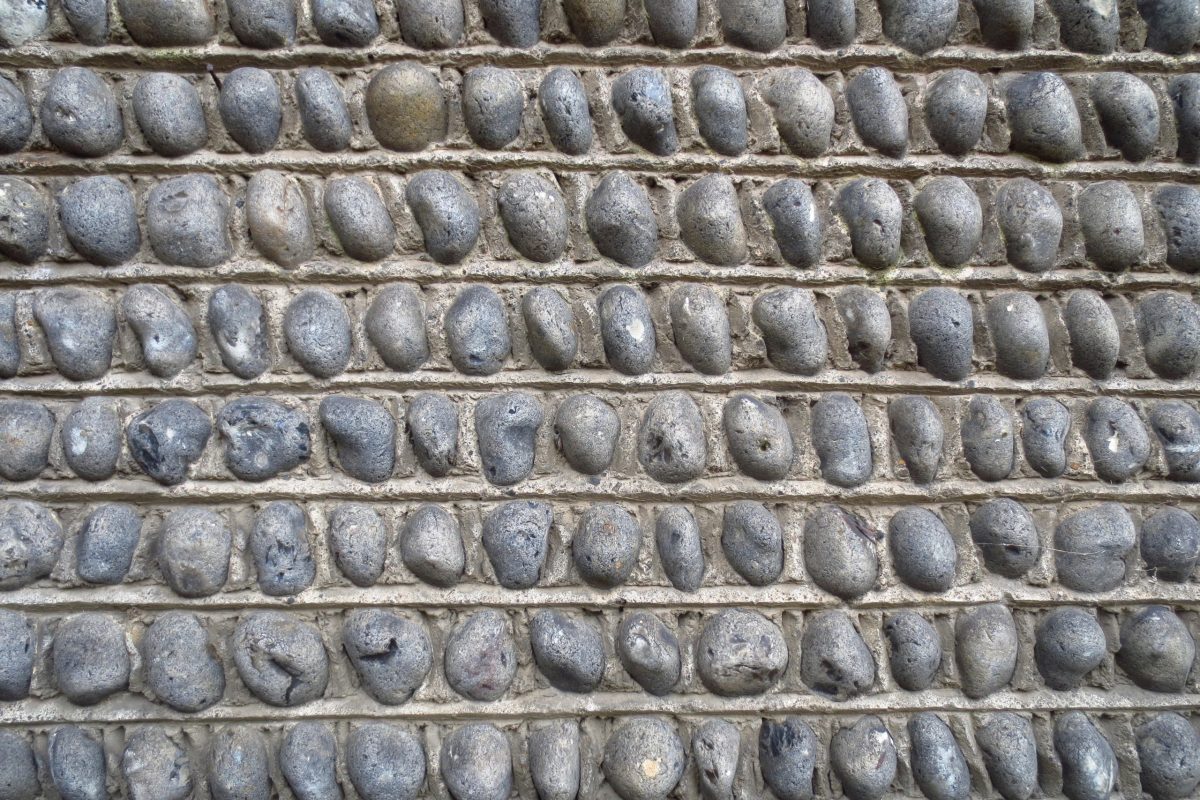
are three main types used in construction: quarried flints (also
known as virgin flints); field flints; and cobbles. The exact
origins is still unclear though much debated. The most accepted
origins is that it probably derives from the remains of minute
sea organisms with a skeleton of silica.
Geology and history
Flint can be found in many places across Southern England, though
is particularly prevalent in parts of Sussex and East Anglia.
Found as a free and indigenous material in the Middle and Upper
Chalk layers it has always been used in construction. Though since
late 19th Century due to a combination of less quarrying, other
alternative materials and improvement in the transportation system,
less flint has been used in buildings.
Treatment and uses in construction
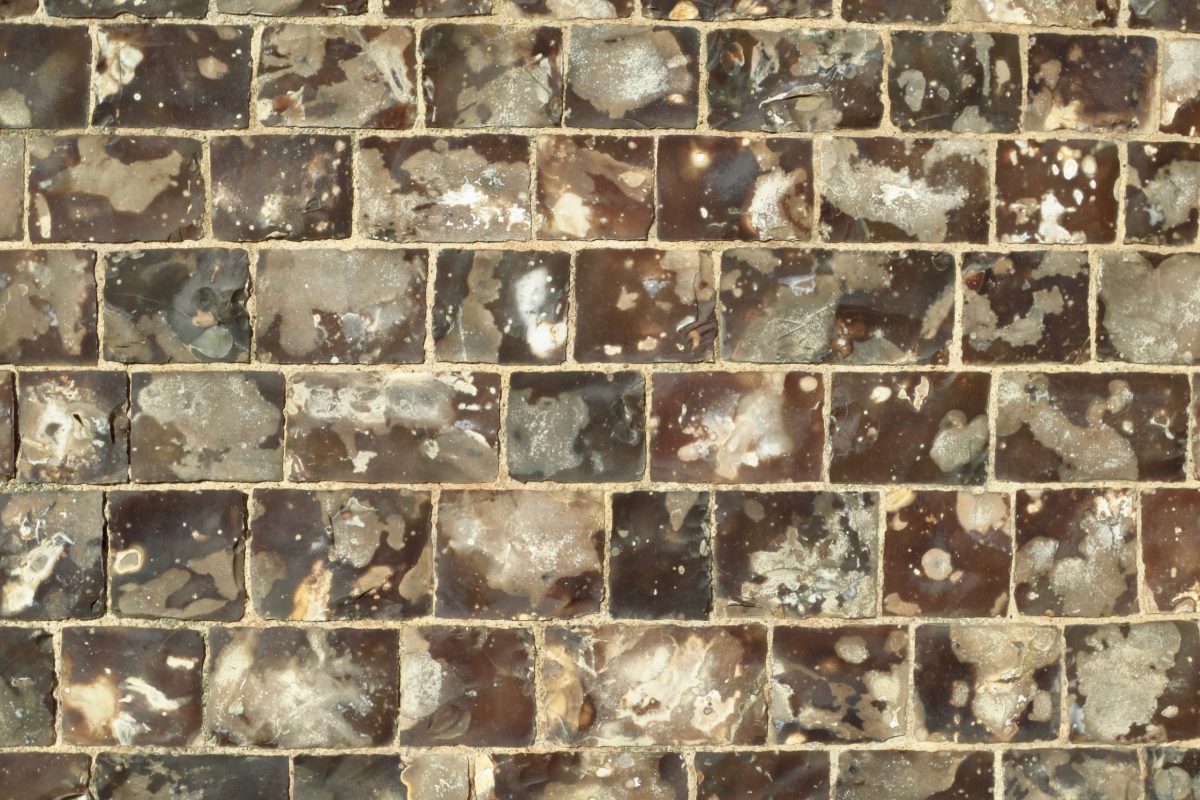
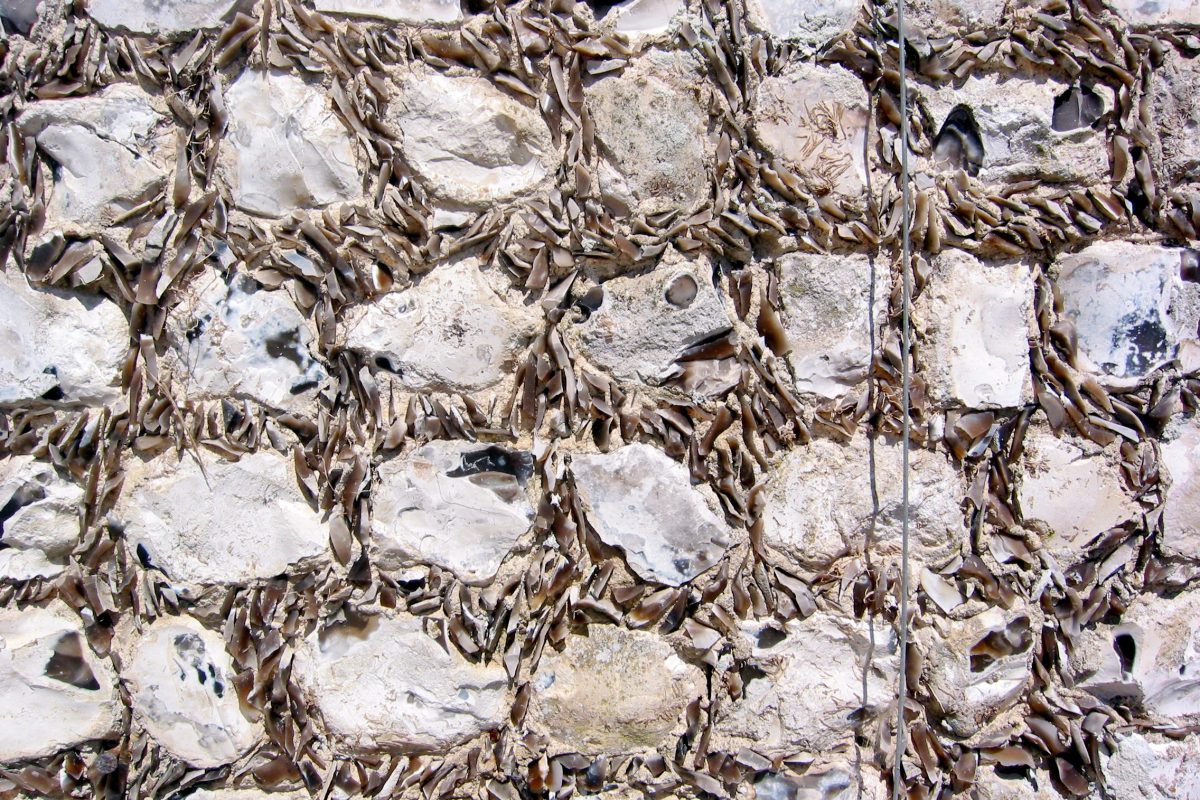
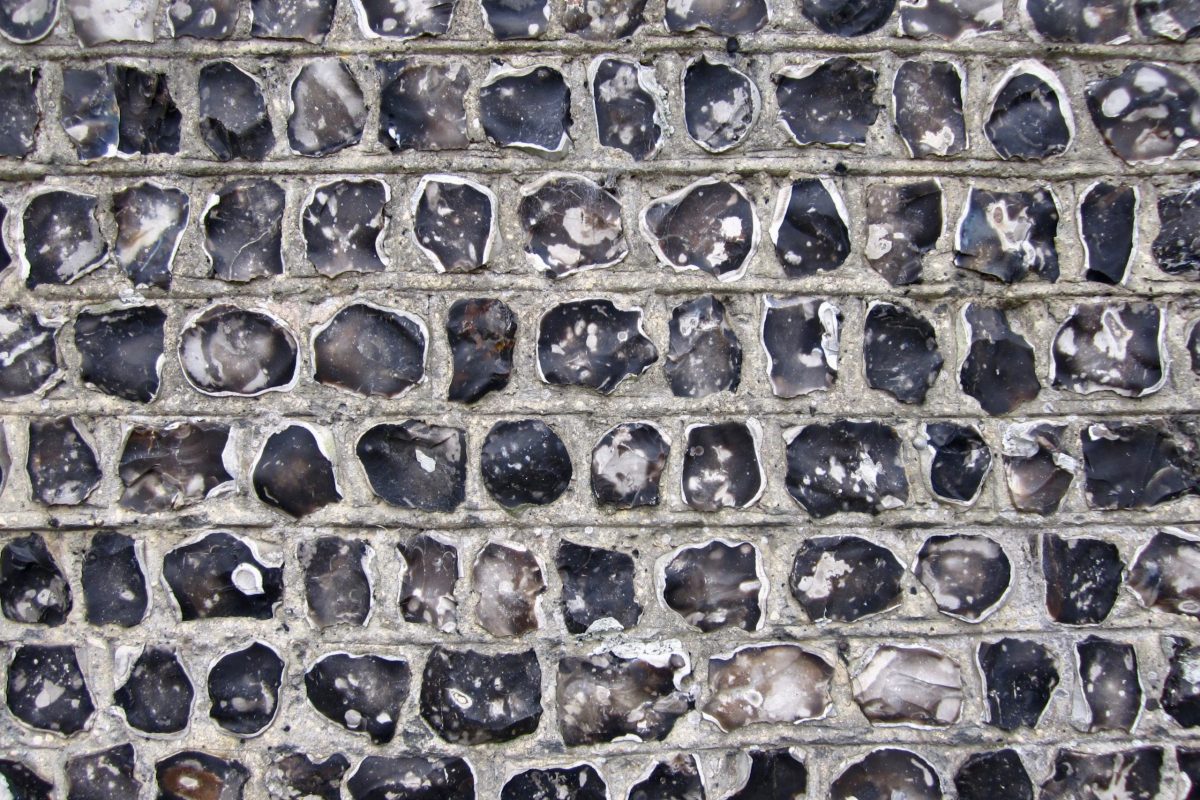
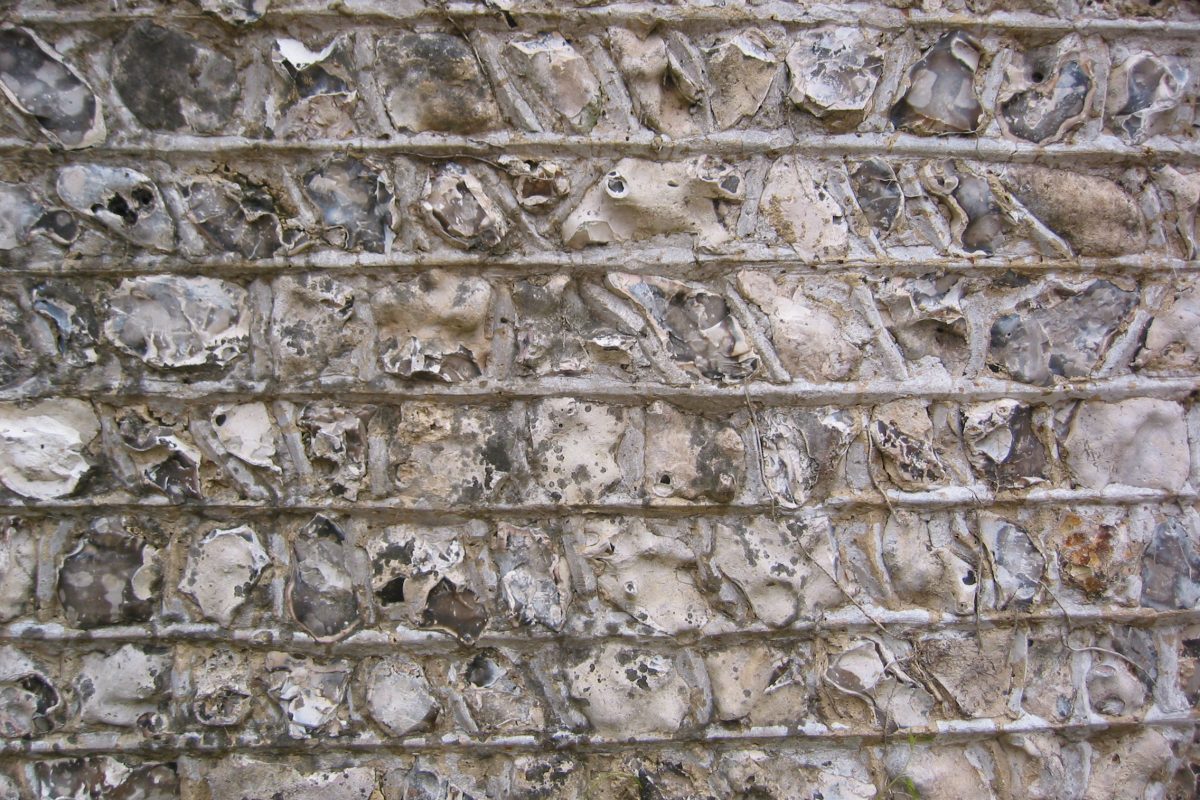
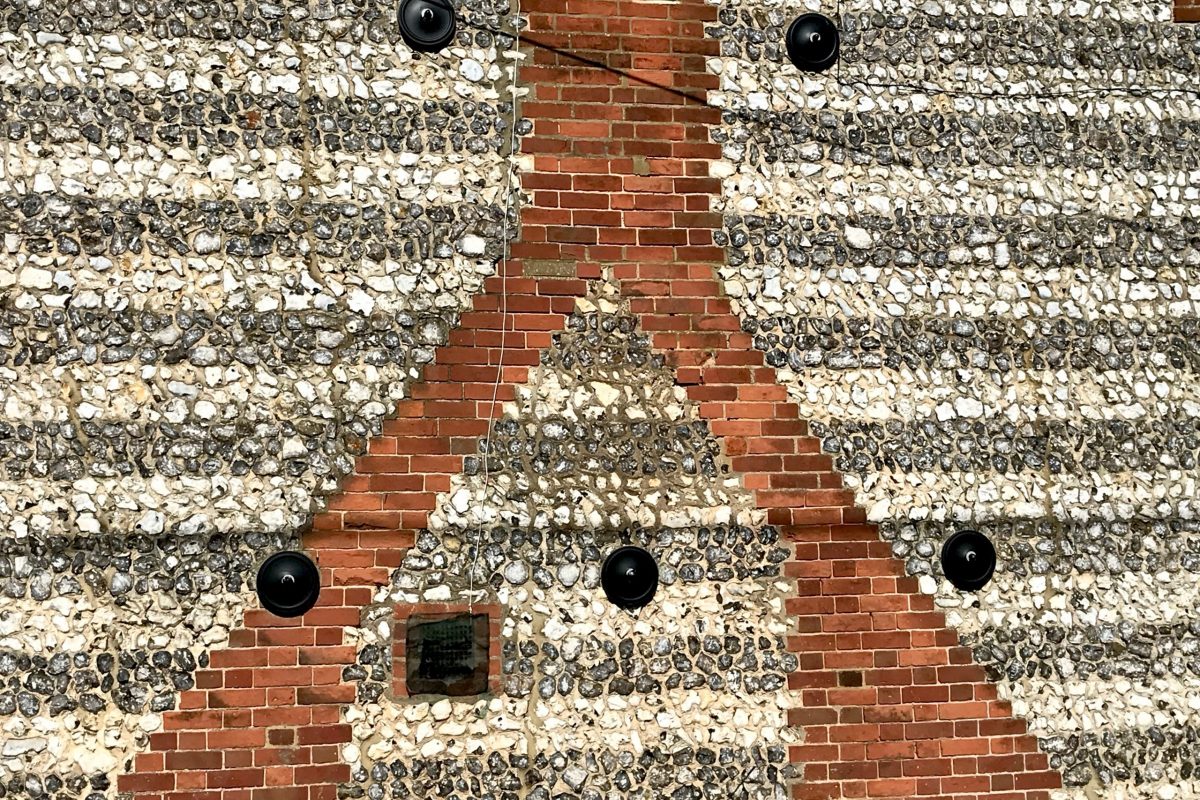
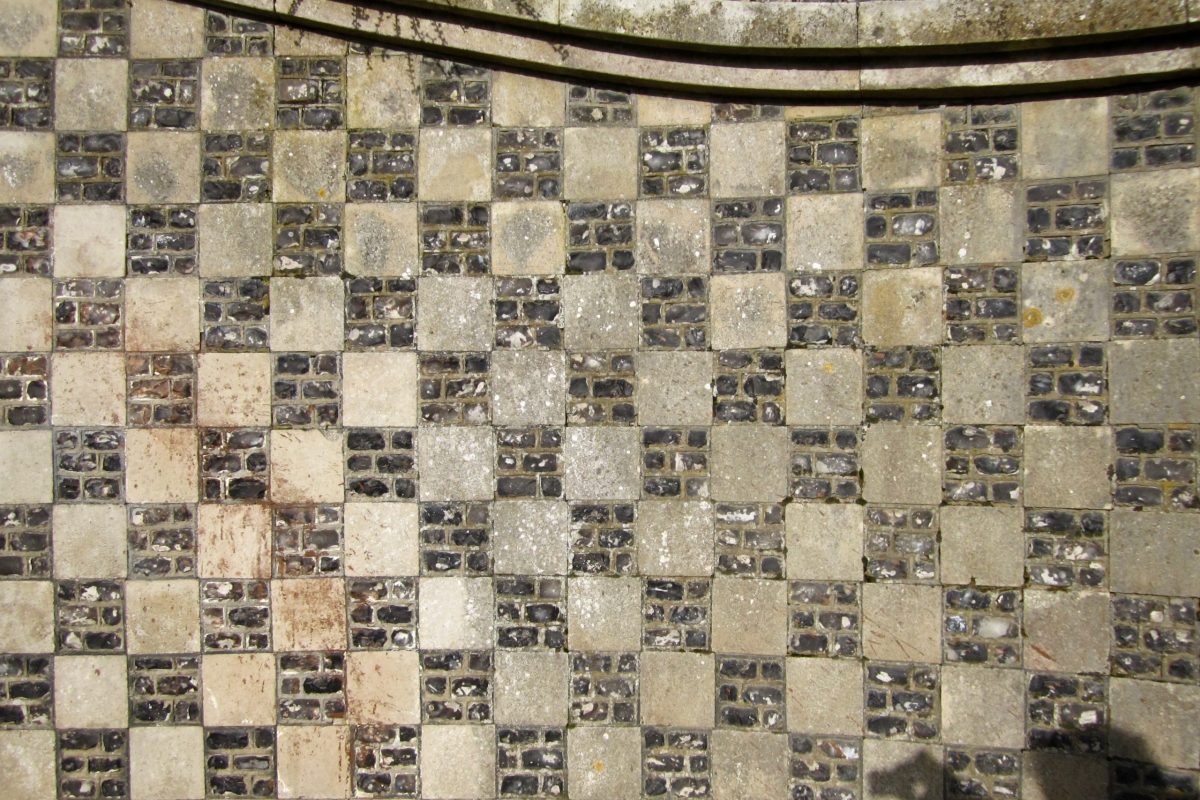
There are many different styles of flint work in construction,
from field flints harvested from the local fields to fine well
worked knapped flint. Over time structures changed from being
purely functional to more decorative. Exact style and use of the
flint would often reflect on the afflence of the owner or the
importance or prominence of the building or structure. Often fine
knapped flints would be used on the main house, with less worked
field flints used on boundary walls. Most walls are either freestanding
or retaining.
The flints are held in place by mortar. Traditionally this is
made up of a combination of lime and sand. The exact proportions
and type of aggregate and binder would vary depending on the existing
mortar to be matched. Historically both would come from local
sources. Most walls have been constructed by either shuttering
or freehand. The latter being the much prefered style of construction.
More modern methods also include flint clad concrete blocks or
dyed reconstitued stone. Both methods result in poor asethetics
and often poor adhesision. It is a myth that these modern methods
will reduce costs.